
Lyophilized Peptide Storage and Bench Handling
Most avoidable variability in peptide work is introduced before the first measurement, during storage and handling of the dry material.
Why the material is dry
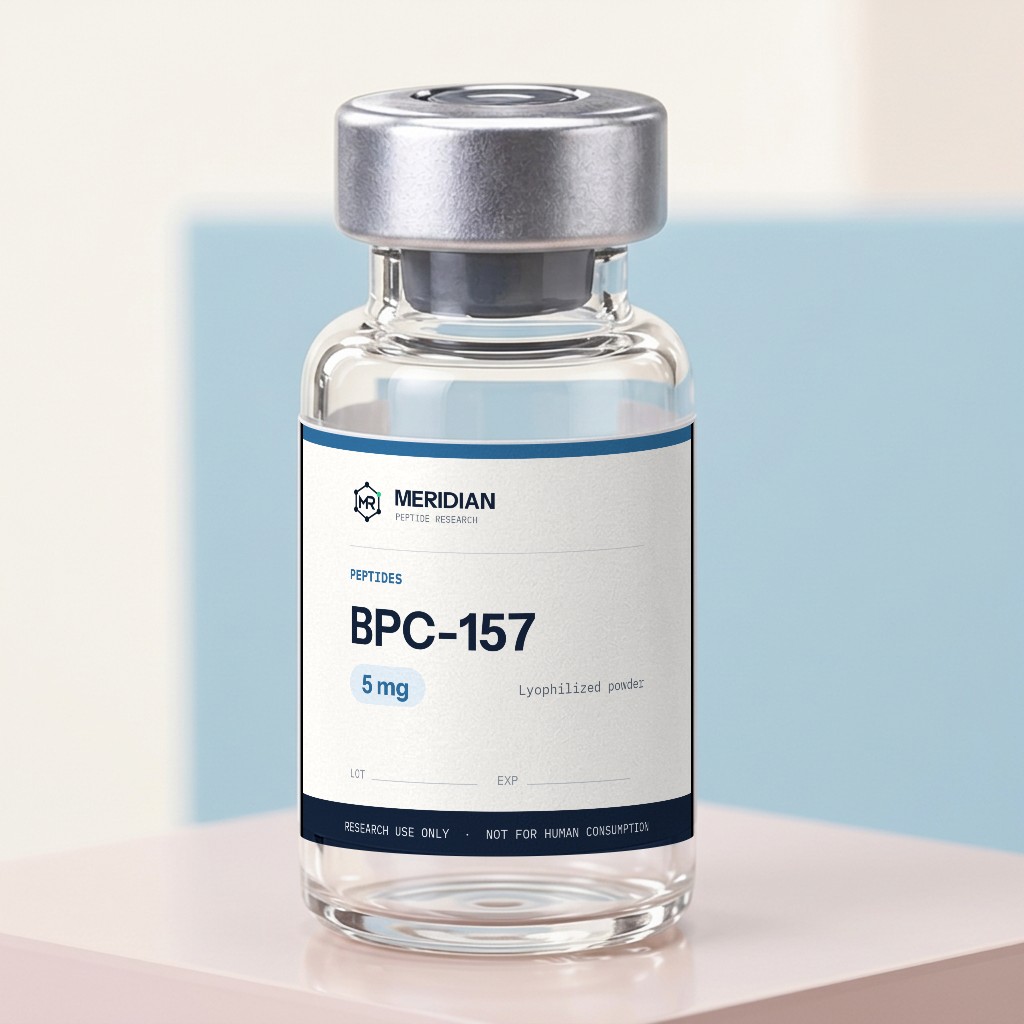
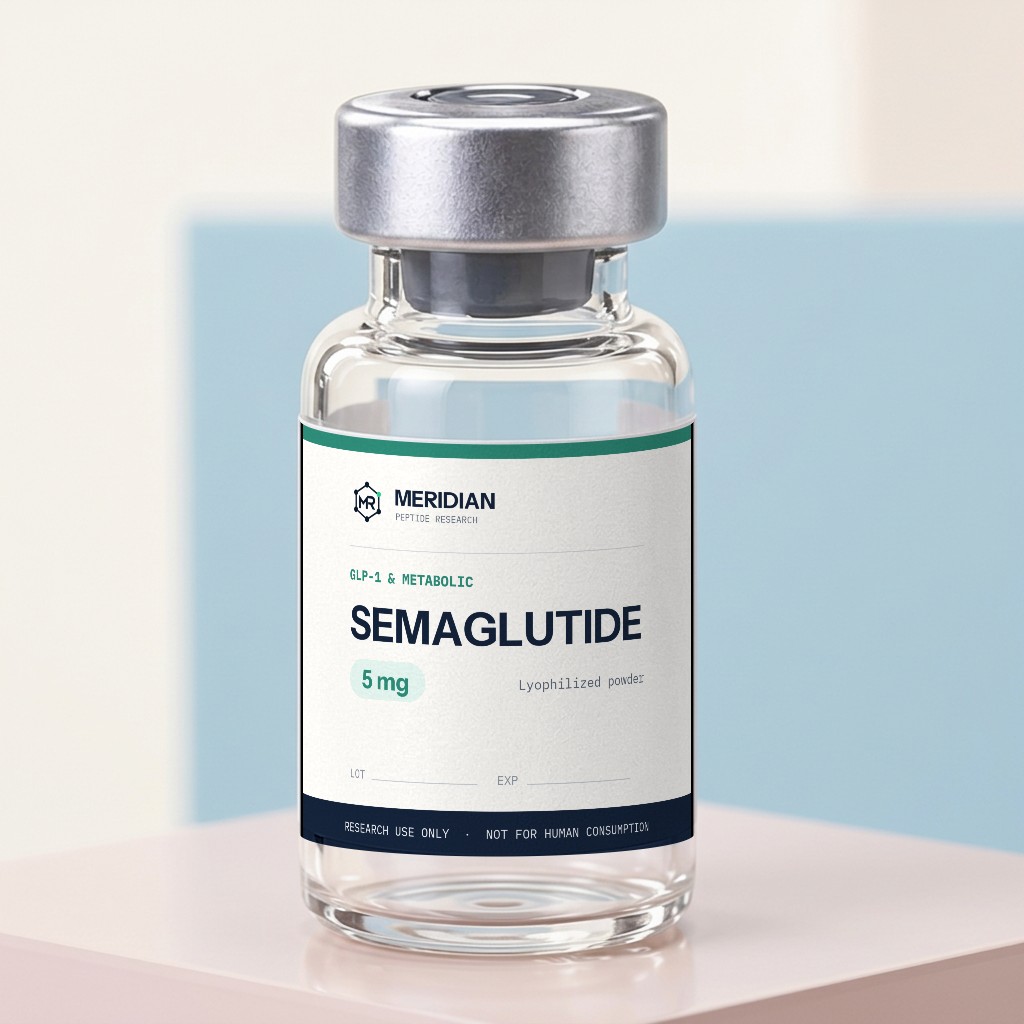
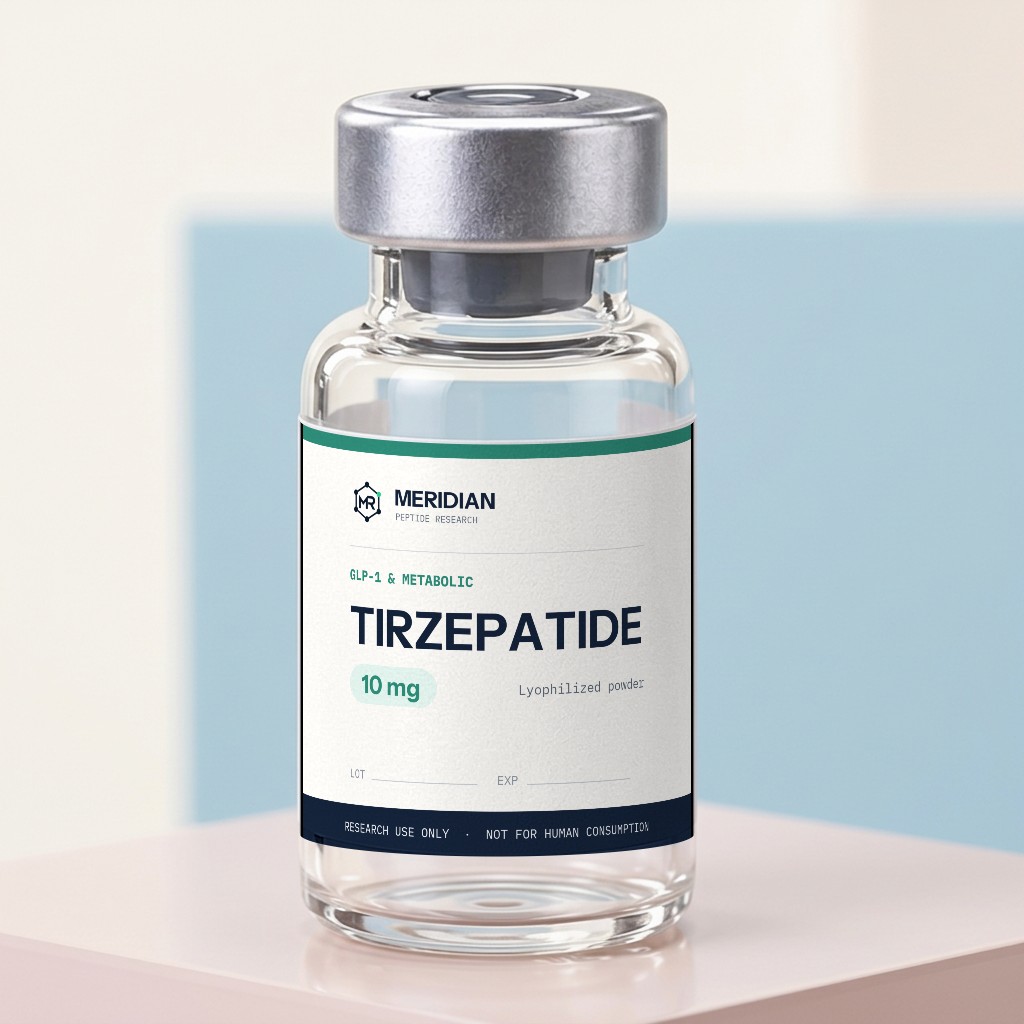
Lyophilization, or freeze-drying, removes water from a frozen solution by sublimation under vacuum, then removes residual bound water in a secondary drying step. The product is a porous cake rather than a dense solid, which is why it dissolves readily and why it looks the way it does.
The reason for supplying peptides this way is chemical. Almost every significant degradation route for a peptide requires water as a participant or a medium: hydrolysis of the backbone, deamidation of asparagine and glutamine residues, and the diffusion that lets oxidation proceed. Removing water suppresses all of them at once. A dry peptide held cold and sealed is far more stable than the same peptide in solution at the same temperature.
The cake itself carries information. A uniform, well-formed cake occupying its expected volume indicates a normal cycle. A collapsed, shrunken or glassy cake, or one that has slumped to the bottom of the vial, can indicate that the material warmed above its collapse temperature at some point — during the cycle or afterwards in transit.
Temperature
Storage recommendations for dry peptides generally scale with intended duration. Short holding periods are commonly managed at refrigerated temperature; longer holding is managed frozen, typically at minus 20 degrees Celsius, with minus 80 used for extended storage of sensitive sequences. The governing principle is simply that reaction rates fall with temperature, so colder storage slows every degradation pathway available to the molecule.
Short excursions to ambient temperature during shipping are ordinarily tolerated by dry material, which is why cold-pack shipping is a precaution rather than an absolute requirement for most lyophilized peptides. Repeated excursions are a different matter, because each cycle to room temperature and back is an opportunity for condensation.
Condensation is the main hazard
A vial taken directly from a freezer is colder than the dew point of room air. Opening it at that temperature draws moisture onto the cold interior surfaces and into the cake, reintroducing exactly the water that lyophilization removed. The material may look unchanged and be measurably more hydrated.
The standard remedy is to allow a sealed vial to equilibrate to room temperature before breaking the seal — commonly fifteen to thirty minutes for a small vial, longer for larger fills — and to reseal promptly. Where a peptide is unusually hygroscopic, weighing and manipulation in a dry environment such as a glove box or a desiccator-adjacent workflow reduces exposure further.
- Equilibrate sealed vials to room temperature before opening.
- Minimise the number of open-close cycles by aliquoting once rather than repeatedly.
- Reseal and return to storage promptly; do not leave vials open on the bench.
- Store with desiccant where the supplier indicates the material is hygroscopic.
Light, oxygen and adsorption
Sequences containing tryptophan, tyrosine, methionine or cysteine are more exposed to photo-oxidation and to oxidation generally. Amber vials, foil overwrap, or simply keeping containers in a closed box addresses light. Headspace air is a smaller but real factor for oxidation-prone sequences, and some suppliers backfill vials with an inert gas for that reason.
Adsorption is a quieter problem. Peptides, particularly hydrophobic or highly charged ones, bind to glass and to some plastics. At low concentrations the fraction lost to container walls can be a meaningful proportion of the total, which shows up as an apparent potency difference that has nothing to do with the material's quality. Low-binding tubes and pipette tips, and avoiding unnecessarily dilute intermediate steps, both reduce it.
After reconstitution
Once a peptide is in solution the stability picture changes completely, and the storage assumptions that applied to the dry powder no longer hold. Hydrolysis and deamidation resume. pH becomes a major variable, since both acid- and base-catalysed backbone cleavage accelerate away from mildly acidic to neutral conditions, and the deamidation rate of asparagine rises sharply under alkaline conditions.
Solutions are therefore normally treated as short-lived. Where a solution must be kept, single-use aliquots stored frozen avoid the freeze-thaw cycling that promotes aggregation and precipitation for many sequences. Repeated thawing of one stock is the common source of gradually declining assay response over a series of experiments.
The stock concentration itself is arithmetic rather than chemistry, and errors in it are a frequent source of confusion between lots. Recording the vial content in micrograms, the diluent volume in millilitres, and the resulting µg/mL figure alongside the aliquot volumes in microlitres keeps the calculation auditable after the fact.
Recording what happened
Because handling history is invisible in the material, the record has to carry it. A minimal log entry ties the lot code to the date the vial was opened, the diluent and volume used, the resulting concentration, the storage temperature of any aliquots, and the number of freeze-thaw cycles each aliquot has seen.
When results drift, that log is usually what distinguishes a material problem from a handling one — and if the question turns out to be about the material itself, the lot code in the log is what allows the analytical record for that batch to be pulled and re-read.
References
- United States Pharmacopeia, General Chapter <1049> Quality of Biotechnological Products: Stability Testing of Biotechnological/Biological Products.
- ICH Q1A(R2), Stability Testing of New Drug Substances and Products — storage condition definitions and stress-testing framework.
- United States Pharmacopeia, General Chapter <1151> Pharmaceutical Dosage Forms — description and handling of lyophilized preparations.
References are to published standards and nomenclature documents. Where evidence on a specific compound is preliminary, that is stated in the text rather than smoothed over.